
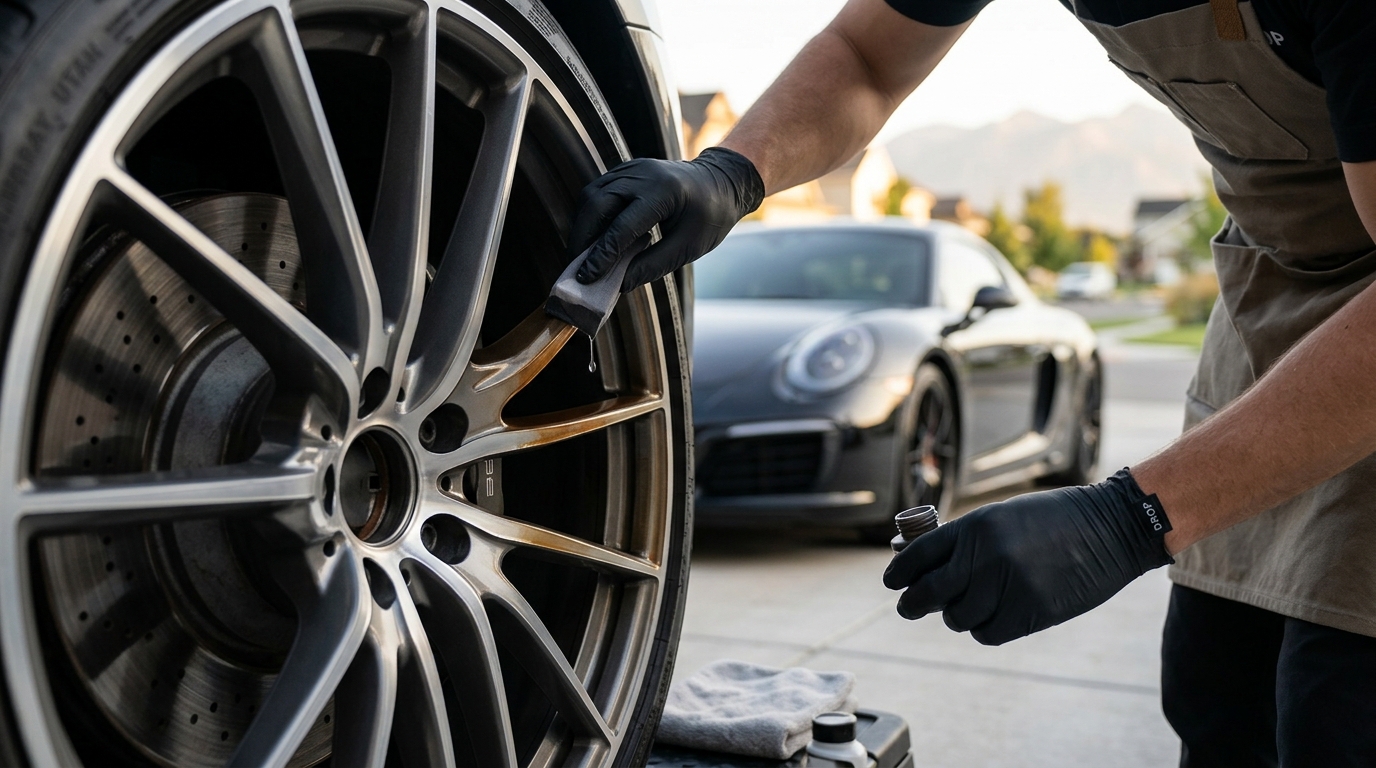
Drop Detailing provides professional ceramic wheel coating services in Murray, Utah. This guide explains how the process works, why it matters for vehicle longevity, and how to maintain your investment. We cover the science of silica dioxide, the application process, and the specific benefits for local drivers.
Mobile Detailing Services
Convenience is a primary driver for vehicle owners in the Salt Lake City valley. Drop Detailing operates as a mobile detailing provider, bringing expert technicians directly to client locations. This approach eliminates the need for customers to visit a shop, saving time and effort. The service area includes Murray and surrounding communities in Utah.
How Mobile Service Works
Mobile detailing requires specific logistical planning. Technicians bring all necessary equipment, including water, power, and specialized tools, to the client's driveway or office. This setup ensures that the work environment is controlled and safe for the vehicle. Clients can schedule appointments that fit their daily routines, making premium care accessible without disrupting their schedule.
Local Expertise in Murray
Murray is located in Utah's 4th congressional district, a region with diverse driving conditions. Local technicians understand the specific challenges faced by vehicles in this area. From summer heat to winter road treatments, the environment impacts wheel surfaces significantly. Drop Detailing tailors its approach to address these local factors, ensuring that the coating performs optimally in the specific climate of Murray, Utah.
The Science Behind Ceramic Wheel Coating
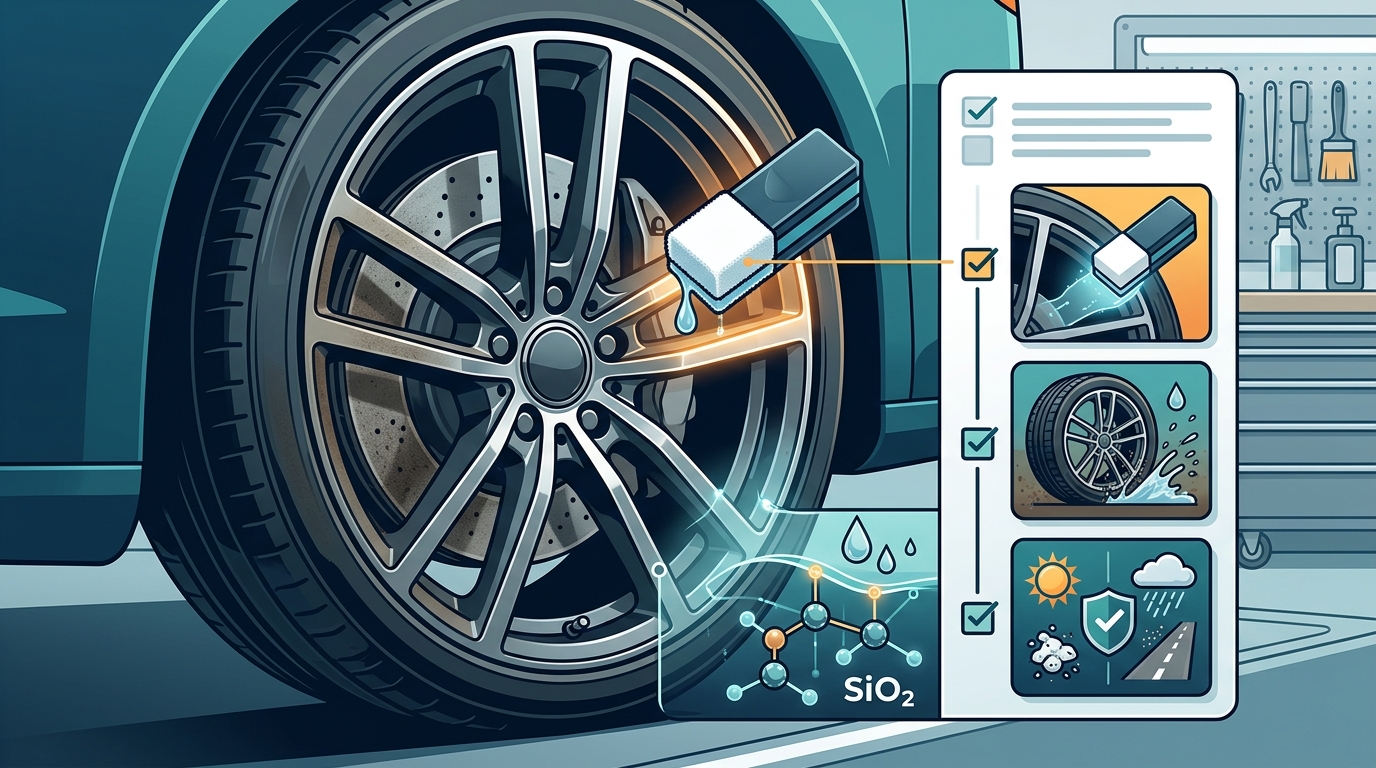
Ceramic wheel coating is a protective layer applied to alloy or steel wheels using silica dioxide (SiO2) compounds. This substance is the primary component of glass, providing inherent strength and hardness. However, wheel coatings differ from standard glass in their formulation. They blend SiO2 with proprietary elastic polymers to create a surface that is both hard and flexible.
SiO2 and Elastic Polymers
The combination of silica and polymers creates a unique material property. The SiO2 provides a hardened sacrificial barrier that resists chemical etching and physical abrasion. The elastic polymers allow the microscopic surface to flex. This flexibility is critical because wheels absorb impacts from potholes, curbs, and road debris. A rigid coating would crack under stress, but a flexible ceramic layer absorbs the impact and maintains its integrity.
Hydrophobic Properties
Ceramic coatings are inherently hydrophobic. This means they repel water and other liquids. When applied to wheels, this property helps shed brake dust, dirt, and road grime. Water beads up and rolls off the surface, carrying contaminants with it. This self-cleaning effect reduces the frequency of deep cleaning required and helps maintain the visual appearance of the wheels over time.
Why Wheels Need Specialized Protection
Wheels and suspension components take the most abuse on any vehicle. They are exposed to brake dust, road salt, UV rays, and physical impacts. Standard paint sealants and waxes are not designed to withstand this level of environmental stress. They degrade quickly, leaving the wheel surface vulnerable to corrosion and oxidation.
Brake Dust and Chemical Etching
Brake dust is highly abrasive and often contains metallic particles. When it settles on a wheel, it can etch into the clear coat or paint. Over time, this etching creates a dull, rough surface that is difficult to polish out. Ceramic coatings create a barrier that prevents these particles from bonding to the wheel surface. This protection preserves the factory finish and prevents permanent damage.
UV Damage and Oxidation
Ultraviolet (UV) rays from the sun cause paint to fade and oxidize. This is particularly noticeable on dark-colored wheels, where the contrast between faded and fresh paint is stark. Ceramic coatings provide exceptional UV protection. They block harmful rays from penetrating the paint layer, preserving the color and gloss of the wheels for years.
The Drop Detailing Application Process
Applying a ceramic wheel coating is a precise process that requires preparation and skill. Drop Detailing follows a rigorous protocol to ensure optimal adhesion and durability. The process begins with a thorough assessment and cleaning of the wheel surface.
Decontamination and Preparation
The first step is a full decontamination of the wheel. This involves removing all built-up dirt, brake dust, and contaminants. Technicians use specialized wheel cleaners and tools to reach every crevice and spoke. The wheel is then dried and inspected for any defects. Any existing damage, such as curb rash or oxidation, is documented and addressed before coating application.
Application and Curing
Once the wheel is clean and dry, the ceramic coating is applied in thin, even layers. Technicians use microfiber applicators to spread the product across the entire surface. The coating is then allowed to cure. Curing time varies depending on the product and environmental conditions. During this phase, the coating hardens and bonds to the wheel surface. Clients are advised not to wash the vehicle or get the wheels wet during the curing period to ensure maximum durability.
Maintenance and Longevity
Ceramic wheel coatings are durable, but they are not indestructible. Proper maintenance is essential to maximize the lifespan of the protection. Drop Detailing provides clients with specific guidelines and products to maintain their wheels effectively.
Recommended Cleaning Products
Using the wrong cleaning products can damage a ceramic coating. Cheap wheel cleaners and degreasers often contain harsh chemicals that can strip the coating. Drop Detailing recommends using pH-neutral soaps and specialized wheel cleaners that are safe for ceramic surfaces. These products clean effectively without compromising the protective layer.
Expected Lifespan
With proper maintenance, a ceramic wheel coating can last 12 to 15 months. This is a conservative estimate based on real-world testing. Many products make exaggerated claims of lasting for years, but these claims often fall short in practice. By providing a realistic timeframe, Drop Detailing ensures that clients have accurate expectations. Regular inspections and touch-ups can extend the life of the coating even further.
Comparison of Wheel Protection Options
There are several options available for protecting vehicle wheels. Each has its own advantages and limitations. Understanding the differences helps vehicle owners make informed decisions about their investment.
| Protection Type | Duration | UV Protection | Chemical Resistance | Cost |
|---|---|---|---|---|
| Wax | 1-3 Months | Low | Low | Low |
| Sealant | 3-6 Months | Moderate | Moderate | Moderate |
| Ceramic Coating | 12-15 Months | High | High | High |
Ceramic coatings offer the longest duration and highest level of protection. While the initial cost is higher, the long-term value is significant. Wax and sealants require frequent reapplication, which can become costly and time-consuming over time. Ceramic coatings provide a set-and-forget solution that maintains the wheel's appearance and integrity for over a year.
Key Takeaways
- Drop Detailing provides professional ceramic wheel coating services in Murray, Utah.
- Ceramic coatings use SiO2 and elastic polymers to create a hard yet flexible protective layer.
- Wheels are exposed to brake dust, UV rays, and physical impacts, requiring specialized protection.
- The application process involves thorough decontamination and precise coating application.
- Proper maintenance with pH-neutral products is essential to maximize coating longevity.
- Ceramic wheel coatings last 12 to 15 months with proper care.
- Mobile detailing services bring expert care directly to the client's location.
Frequently Asked Questions
How long does a ceramic wheel coating last?
With proper maintenance, a ceramic wheel coating lasts 12 to 15 months. This duration can vary based on driving conditions and cleaning habits.
Can I wash my car after the coating is applied?
You should wait for the coating to fully cure before washing the vehicle. This typically takes a few days. Avoid getting the wheels wet during the curing period.
What products should I use to clean my wheels?
Use pH-neutral soaps and specialized wheel cleaners that are safe for ceramic coatings. Avoid harsh degreasers and acidic cleaners.
Does ceramic coating prevent curb rash?
Ceramic coatings do not prevent physical damage like curb rash. However, they protect the paint from chemical etching and UV damage, making any existing damage less noticeable.
Is mobile detailing available in Murray?
Yes, Drop Detailing offers mobile detailing services in Murray and surrounding areas. Technicians bring all necessary equipment to your location.
How much does ceramic wheel coating cost?
Costs vary depending on the size and condition of the wheels. Contact Drop Detailing for a personalized quote based on your specific vehicle.
Conclusion
Protecting your vehicle's wheels is an investment in their longevity and appearance. Ceramic wheel coating offers a durable, high-performance solution that shields against the elements and daily wear. Drop Detailing brings this expertise to Murray, Utah, providing a convenient and professional service. By understanding the science and maintenance requirements, you can ensure your wheels remain in pristine condition for years to come. To schedule your ceramic wheel coating, book online or contact the team directly.